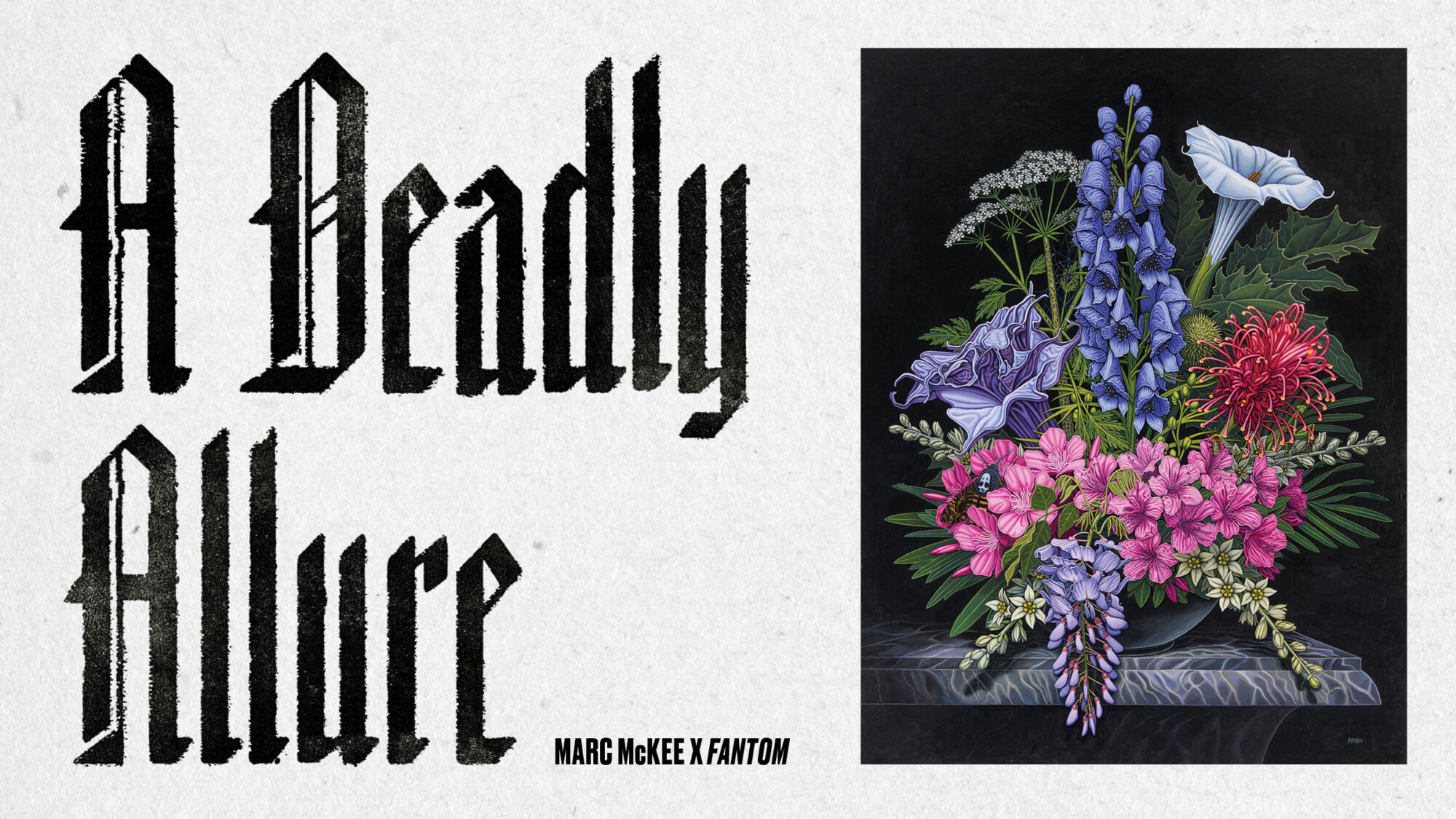
Marc McKee X Fantom
Legendary artist Marc McKee brought wild humor and bold ideas that helped define the visual identity of ‘90s skateboarding, inspiring generations of creatives throughout all action sports, with many who still look to his work as a blueprint today. For this issue, McKee took his art in a dramatically different direction and drew from the intricate, otherworldly still lifes of 18th-century artist Rachel Ruysch to craft a bouquet of designs for Fantom. I caught up with him to talk about the process, the concept, and everything that went into bringing it to life.
You were originally a BMXer, right? How did that path eventually lead you into designing skateboards? Do you skate as well?
I started out skating and racing BMX bikes at the same time, around 1982. I used to skateboard a few years before I got into BMX, actually. I had a small halfpipe in my parents’ backyard, so I would try to skate it, but never got any good, and after one of the neighbors complained about the noise, I switched to only riding on my bike. From there, I got majorly obsessed with BMX freestyle and trick riding. I continued with that until the late ‘80s and eventually began working for a BMX bike company, doing graphic design and art for them. That inevitably led to doing skateboard graphics since Steve Rocco, the founder of World Industries, was a friend of the owner of the BMX bike company. His name was R.L. Osborn. There were just a lot of connections between skateboarding and BMX back then.
Do you remember the first thing you ever drew as a kid that made you feel genuinely proud, like, “Wait, I can actually do this?”
I remember, as a kid, before my mom went back to work, she was a stay-at-home mom and painted as a hobby. That’s maybe not answering the question, but anyway, she had an anatomy book that I would copy things out of—the first skulls and skeletons I ever drew. She also had a book on Picasso that I would copy, which led to my first-grade teacher, Mrs Radke, getting back to her, complaining that I was drawing pictures of naked women.
Curious to know how you felt when you watched our videos, did anything in the filming or skating style feel familiar to you, or was it like discovering a completely new zone?
The anticipation and excitement at the premiere of Fast Forward was pretty high. I watched Shell Shock online when it came out. I thought both movies had that feeling of something raw and new, like the first street skateboarding videos in the late ‘80s and early ‘90s.
That’s so good to hear. Have you ever designed work specifically for skaters who are women in the past?
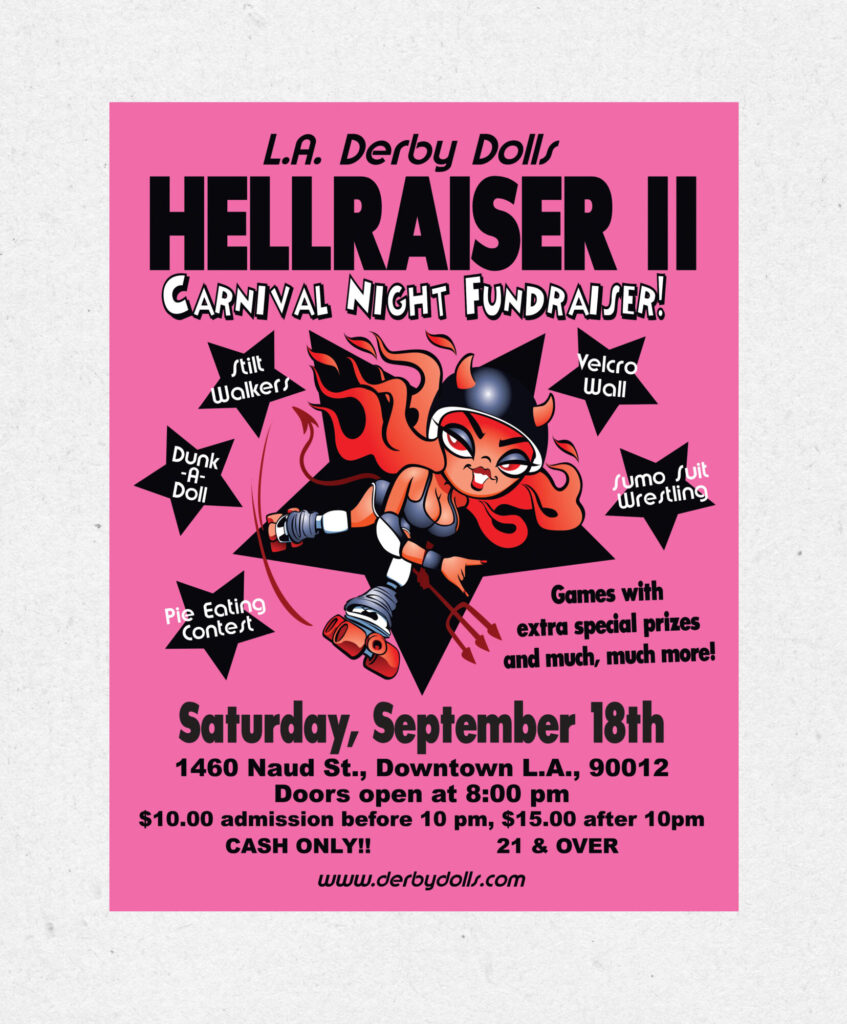
Not any skateboard graphics, but I designed a carnival night fundraiser event poster for the Derby Dolls a few years ago. I know Fantom is more about street skating than roller derby, but that’s the only example I can think of.
We’re stoked to have such a legend like you design something for us. When you started thinking about the design for Fantom, what drew you to the idea of poisonous flowers? Was there a specific reference that sparked the whole concept?
Thank you. I would sum up the idea of the poisonous flowers as, basically, “beautiful but deadly.” Sort of what I thought would work for a company that was primarily women-driven. It took a long time to flesh out the details and to determine what form the artwork would take since it was something I had never designed for before.
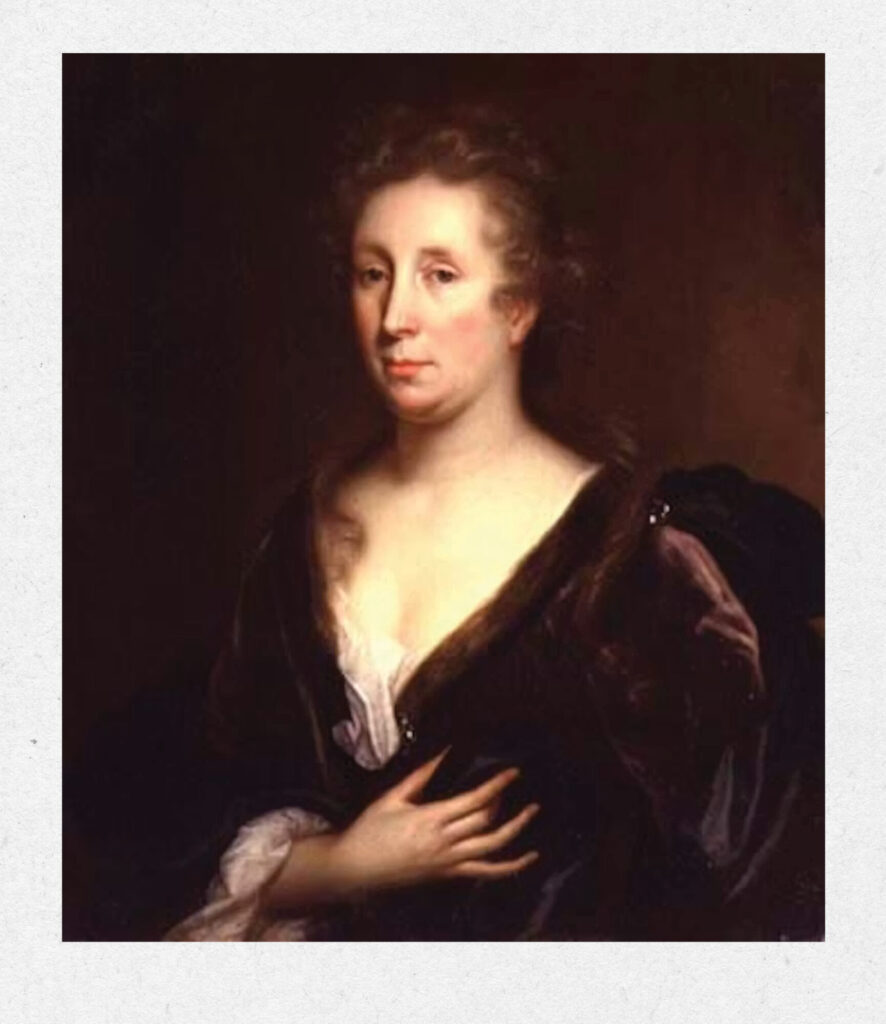
I was told that your inspiration for this piece came partly from Rachel Ruysch. What about her still-life paintings pulled you in for this project?
Yes, the artwork is totally a tribute to the paintings of Rachel Ruysch, but it didn’t start out that way. At first, the plan was just to create separate logos and graphics that would feature various poisonous flowers individually. Somewhere along the way, things changed. I spent a lot of time doing research and reading up on the subject in these books that Loren Steilen loaned out to me on botany, one of which was called Plants of the Gods. Turns out a lot of the poisonous flowers also have a real mind-altering psychoactive effect in addition to being potentially deadly. So, before they kill you, you might get super high.
As I started out drawing the flowers separately, the idea occurred to me that I could combine all of them into a still-life arrangement. That would add another component to the art since still life painting was one of the few kinds of art that was historically open to women in the past. And the best artist in this genre, male or female, was Rachel Ruysch. She was from the Northern Netherlands, born in 1664, and worked as a painter her entire life until the age of 83, just a few years before her death in 1750.
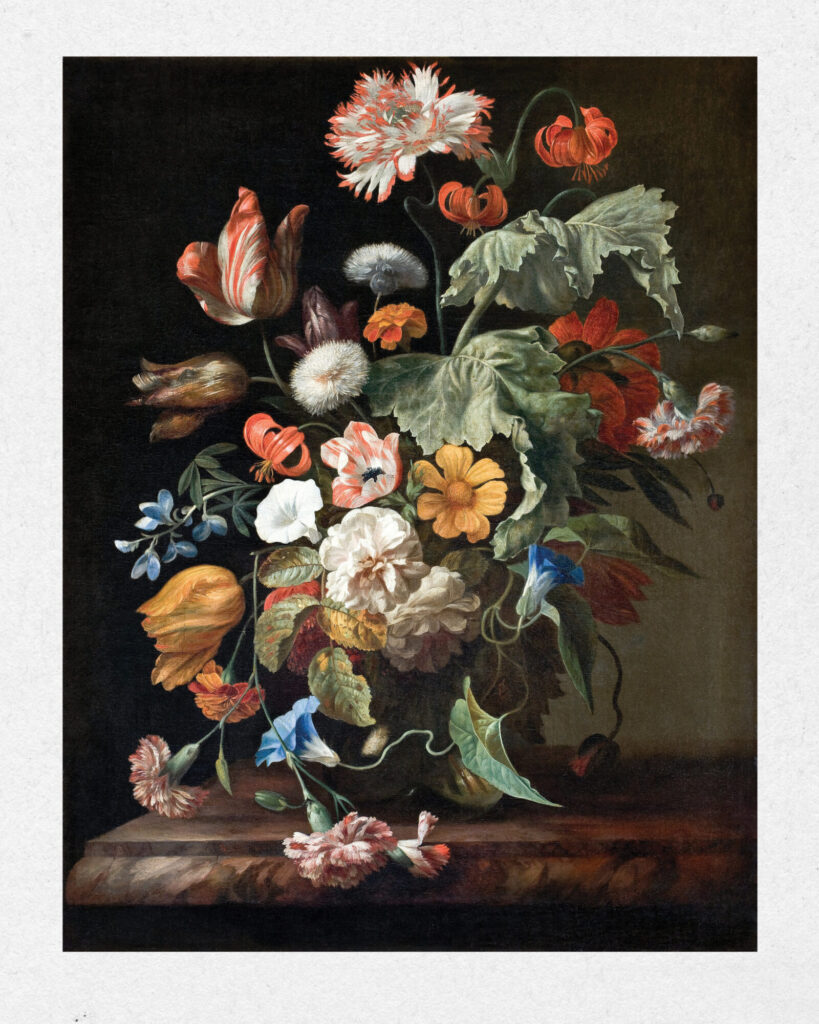
Did working in a Ruysch-inspired mindset push you into any new artistic territory?
To really get into her mindset, ultimately, it would have been better to do the final painting in oils on canvas. I prefer to work in acrylics, though, since it’s mainly what I know and it’s faster and easier. The end product in acrylic just doesn’t come close to the kind of realism and subtlety that she achieved in her paintings.
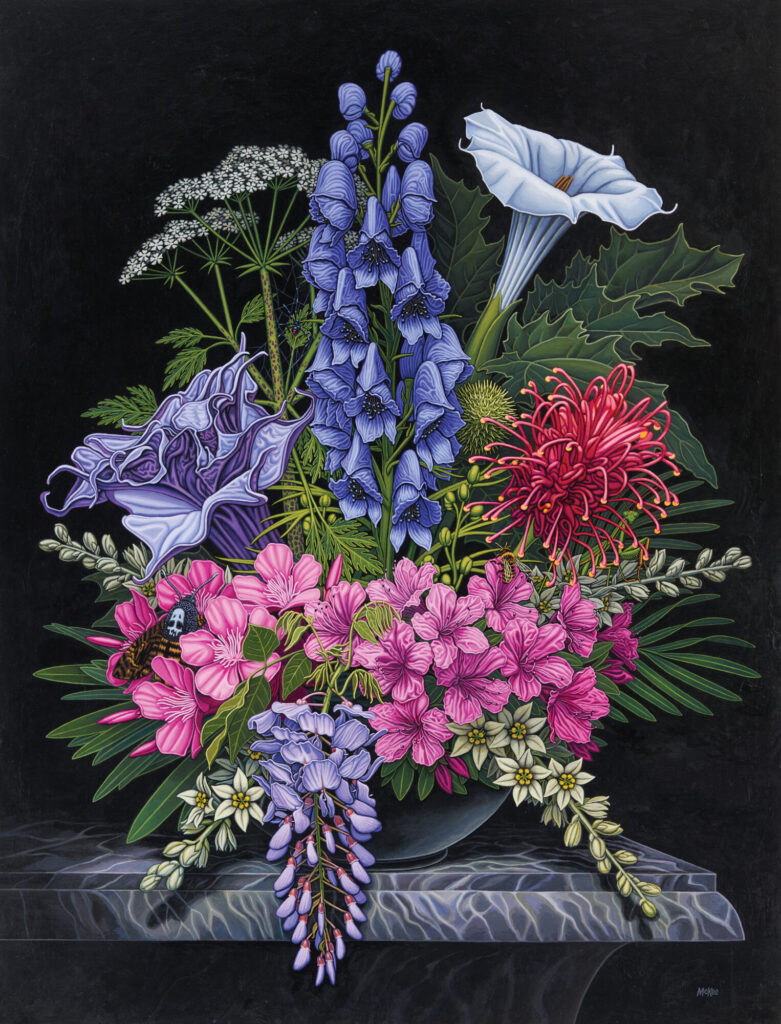
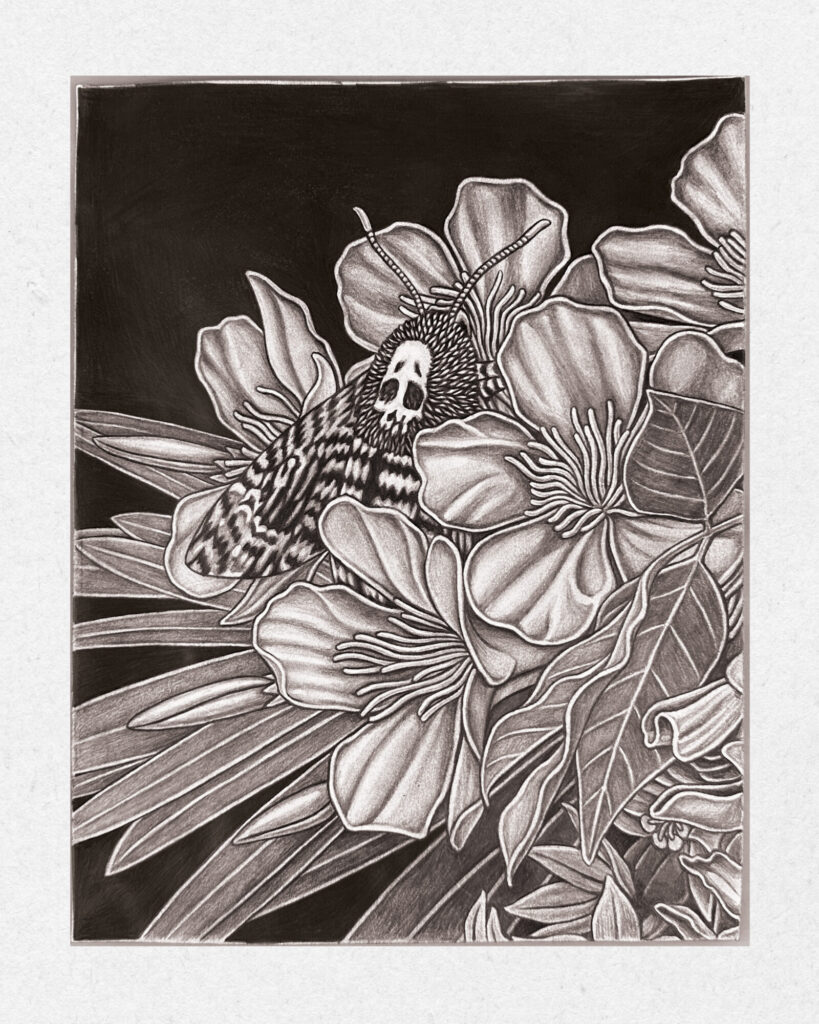
You often add subtle layers of humor or symbolism. Did you hide anything in the petals, leaves, or arrangement that rewards a closer look? I did see the death’s-head hawkmoth in there.
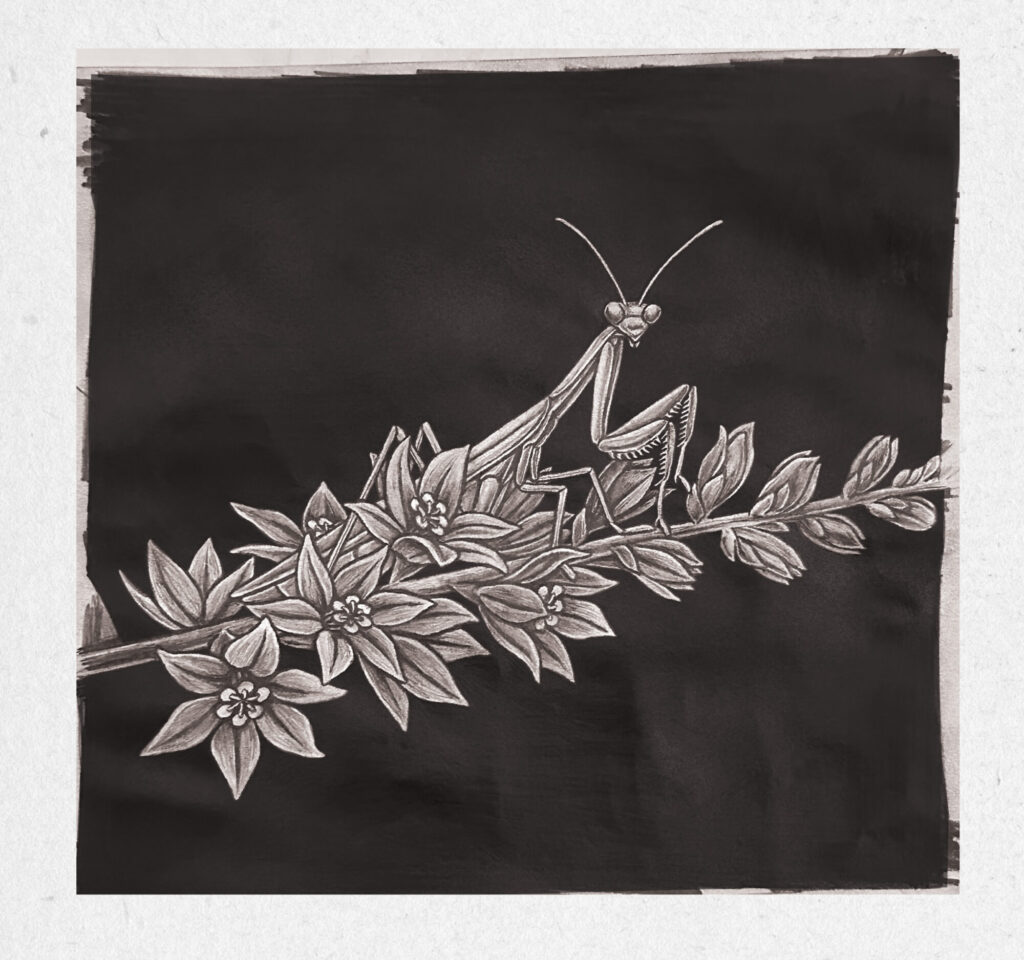
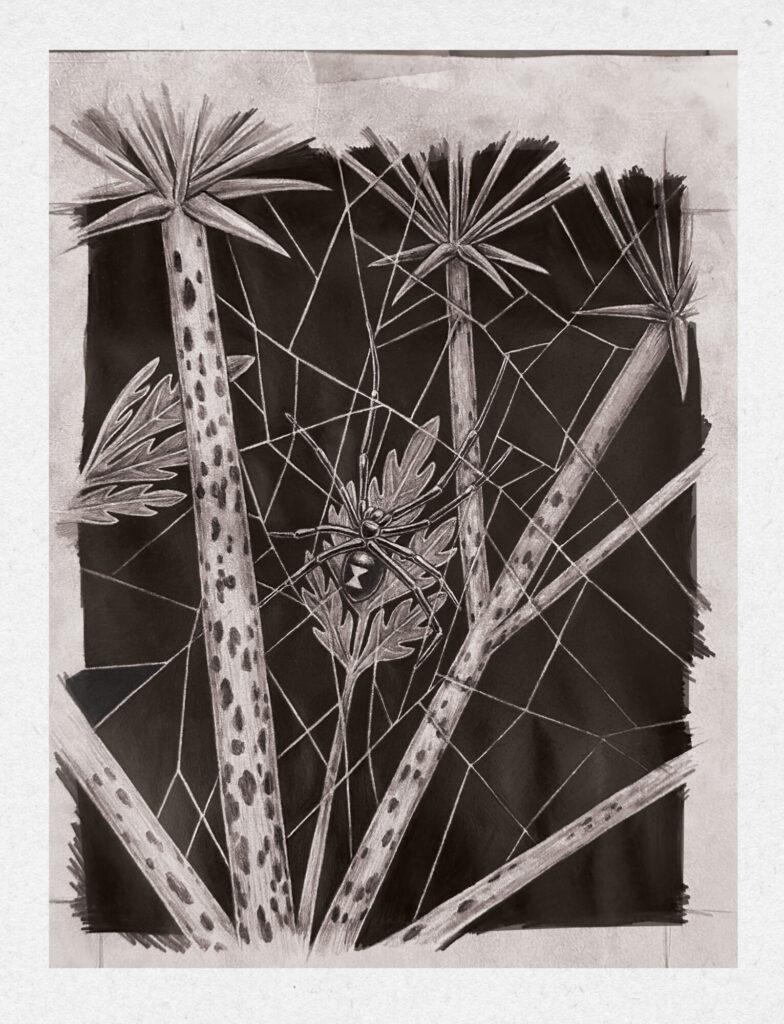
Yes, I tried to fill the art with different layers of meaning that hopefully add to the overall theme. The death’s-head hawkmoth is in there mainly because of the distinct markings it has on its thorax, which look vaguely like a human skull. So that relates to the idea of mortality. The honey bee relates to the particular flower it’s sitting on, the azalea, from whose nectar it makes a toxic honey. Also, honey bees are a matriarchal society with the queen ruling over the hive. The black widow and praying mantis both occasionally practice sexual cannibalism, in which the female will eat the male after having sex with him.
Do you think that kind of bold, unfiltered creativity of yours could exist in the same way today, or has the landscape shifted?
I think it’s undeniable that the landscape has shifted, but anything is possible. For that kind of freedom and creativity to come back around, though, it has to be up to the next generation. When you get older (like I am now), there will be so many life experiences that you’ve gone through that leave you second-guessing about what to do or not to do and questioning whether things are a good idea or not. For example, I don’t think it’s good to make idle jokes about suicide anymore [laughs].
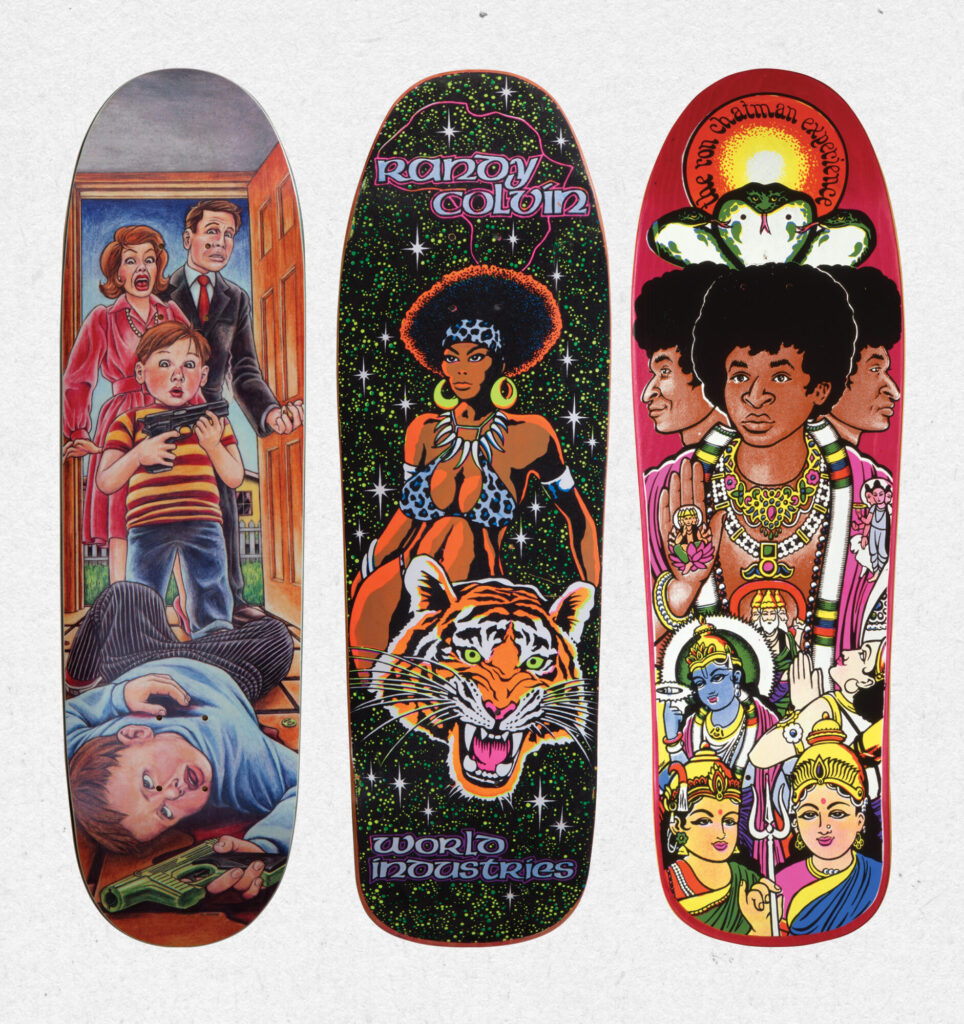
Left: Blind, Guy Mariano, Accidental Gun Death, 1992.
Middle: World Industries, Randy Colvin, Velvet Safari, 1990.
Right: World Industries, Ron Chatman, Experience, 1990.
Do you have any creative rituals or little habits that get you into the zone?
I have to be listening to music the whole time when I’m working.
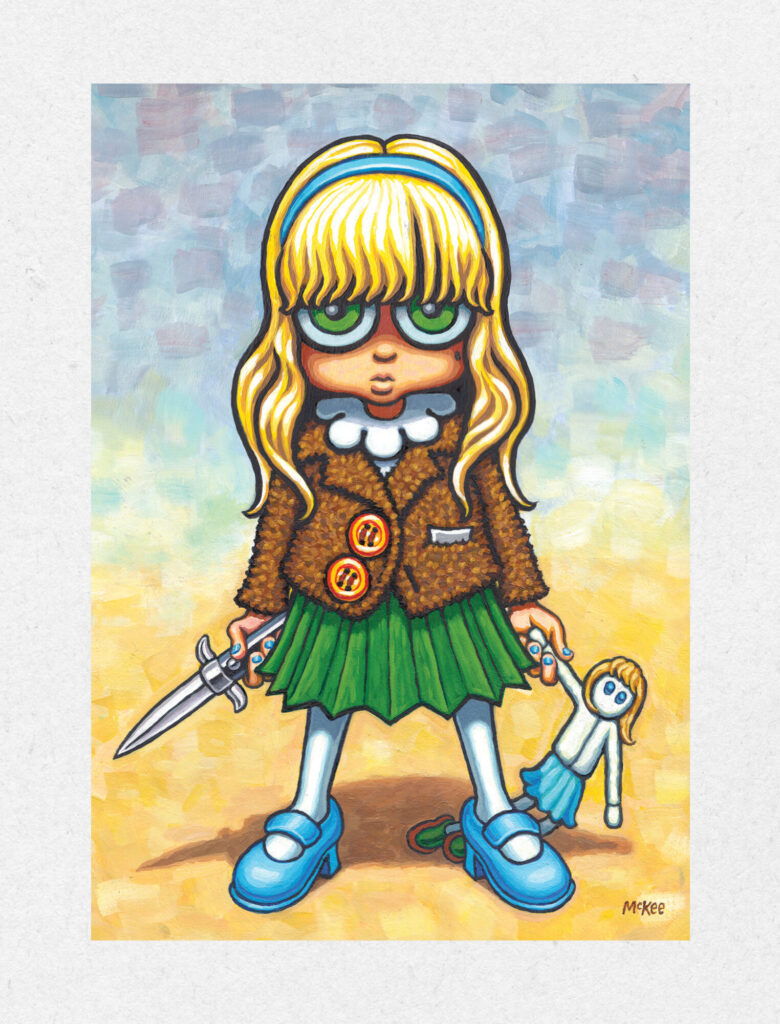
Are there any early influences inside or outside skateboarding that you feel still shape your visual instincts today?
One of them has to be the artwork on the album covers of Iron Maiden. The whole identity of the band was based on this ghoulish zombie creature, who they called “Eddie”, created by this artist, Derek Riggs. The artwork was violent and even satanic, but with a sense of humor to it.
I love the artworks, too! I have a huge poster of Eddie in my room. Has your style evolved recently in ways you’re consciously aware of?
It’s gotten more obsessive, if that’s possible. After I finished the pencil study for the second flower in the series, the oleander, I realized that something didn’t look right. When I showed a few people the drawing, I didn’t really like the response I was getting. Then I went back and checked out the reference photo I was using, and it turned out the plant had this condition called leaf scorch, which causes all of the leaves to dry out and turn brown. I tried erasing the affected areas and making corrections at first, but eventually decided to find some new reference photos and start all over again. It was a lot of extra work, but worth it in the end.
When people see the Fantom illustration for the first time, what’s the one feeling or reaction you hope they carry with them?
I hope they experience complete ecstasy.
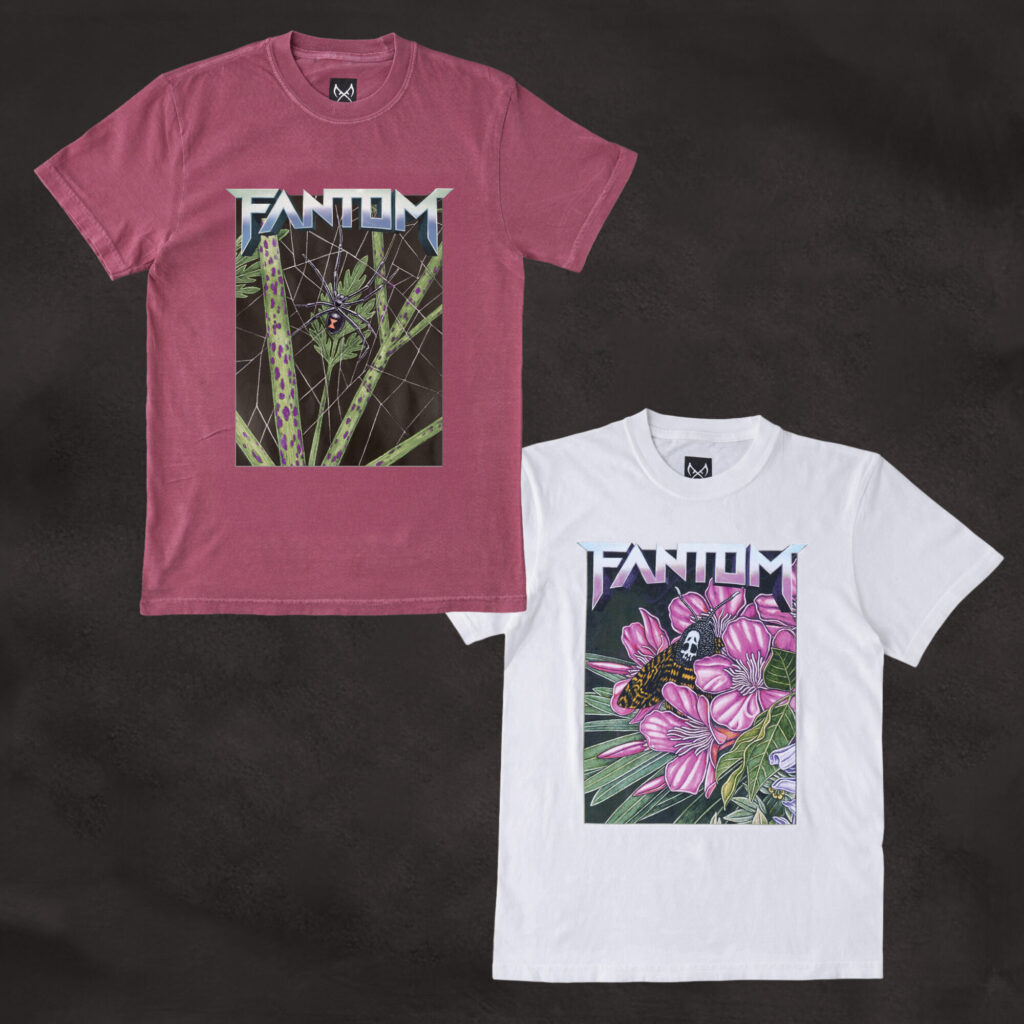
A Fantom tee blooming with beauty and danger.
Claim yours at skatefantom.com before it vanishes.
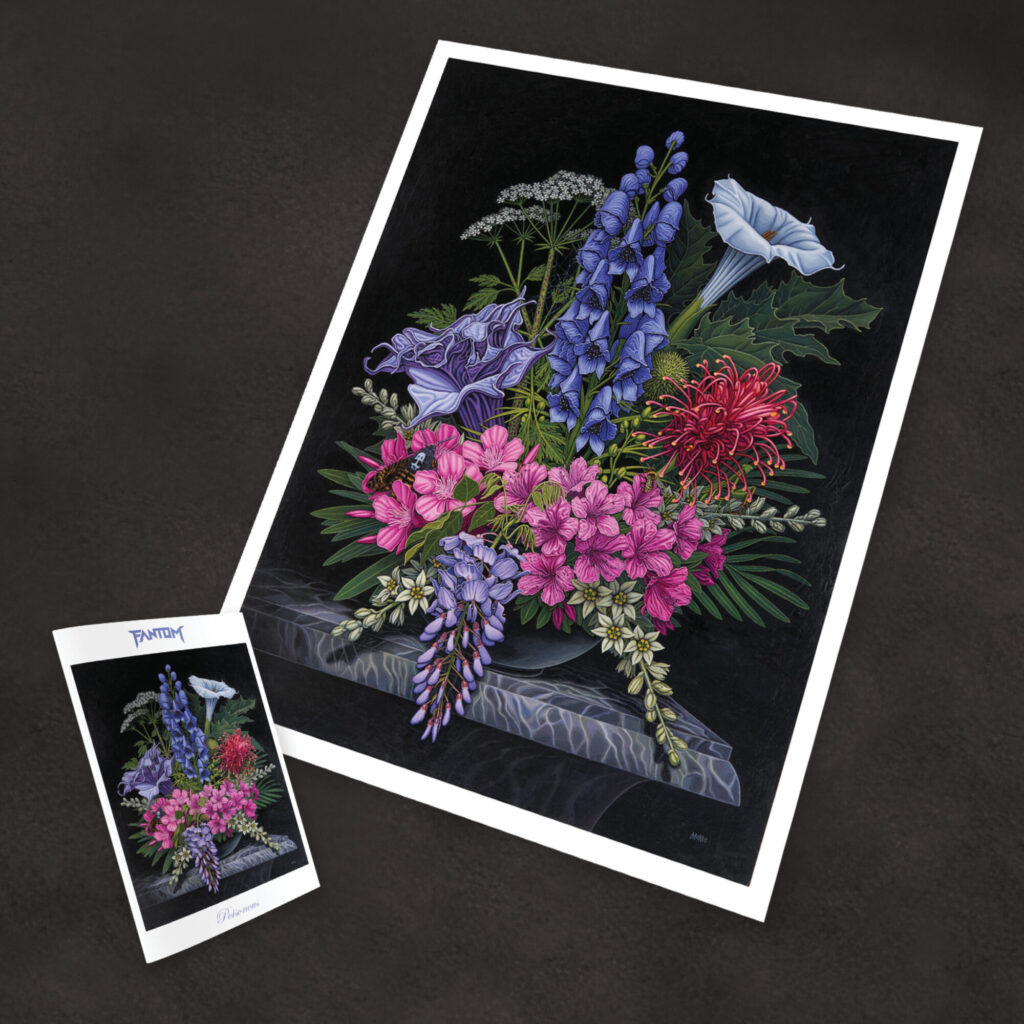
20" W x 26" H giclée fine art print on archival-quality, acid-free paper.